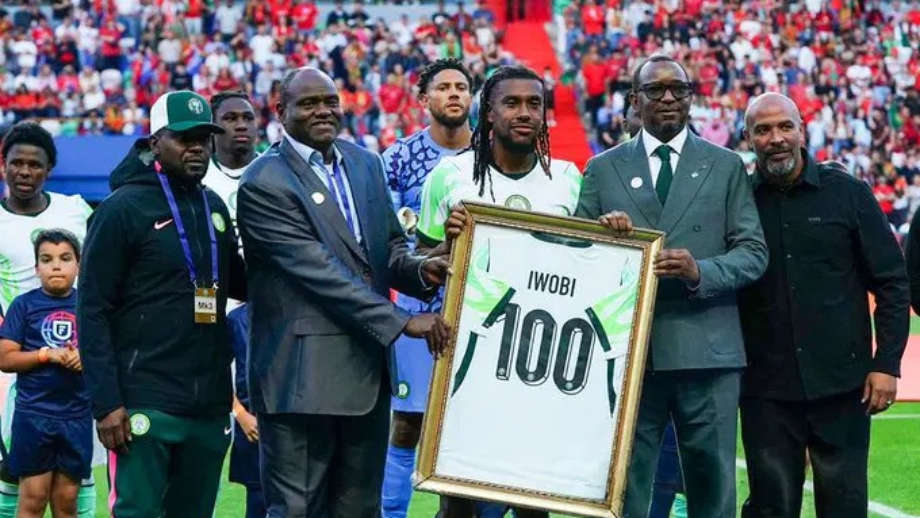
On Tuesday night, ahead of Nigeria’s game against Portugal, Alex Iwobi was presented with a framed jersey bearing the number 100 to mark his 100th appearance for the Super Eagles.
The milestone places him in exclusive company. Only three other players have reached a century of appearances for Nigeria: Joseph Yobo, Vincent Enyeama, and Ahmed Musa.
Alex Iwobi’s journey to 100 caps has been anything but straightforward.
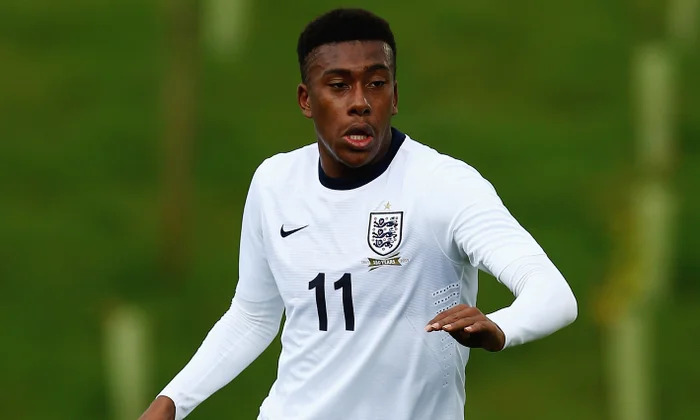
Born in Lagos but raised in London, Iwobi represented England at the youth level, making 11 appearances across various age groups before eventually switching allegiance to Nigeria.
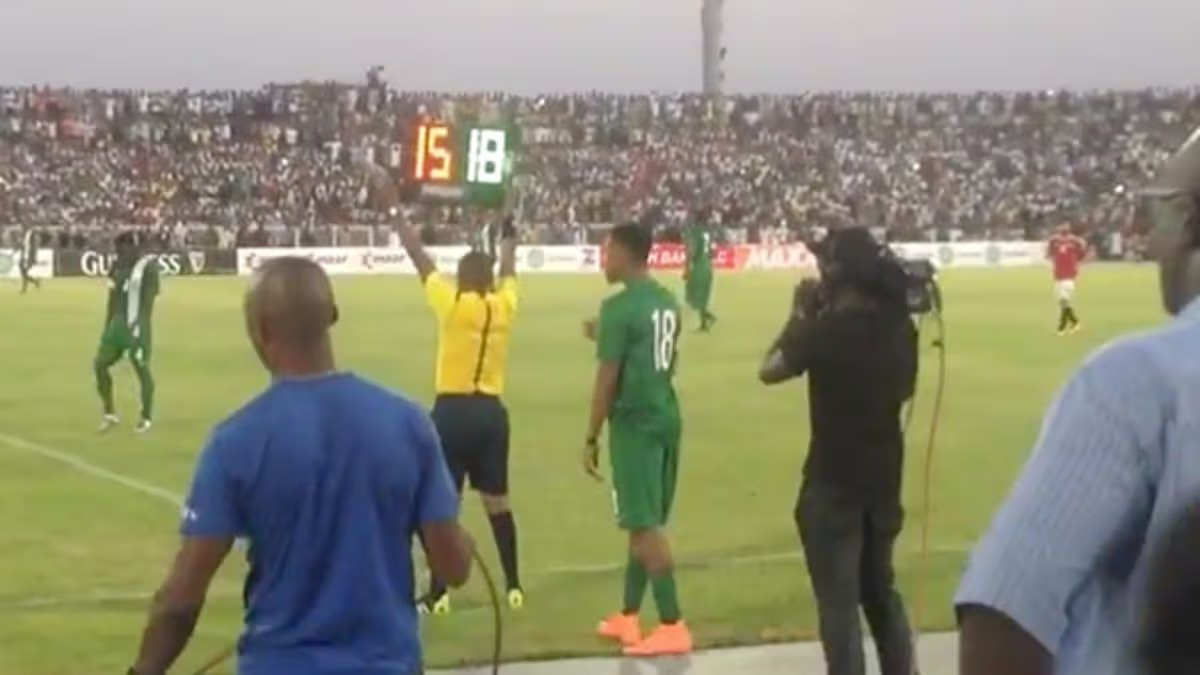
His first involvement with the national team came in 2015 when he joined Nigeria’s U23 camp ahead of an African Games qualifier against Gabon. Eligibility complications prevented him from making his debut immediately. Still, in October that year, he finally stepped onto the pitch for the Super Eagles, coming on for Ahmed Musa in a friendly defeat to DR Congo at just 19 years old.
For many players in his position, choosing England would have been the easier path.
Speaking in 2020 about his decision, Iwobi explained:
“I will always have respect for England. When I played for England, they gave me a great opportunity and treated me very well. However, I feel like I am a true Nigerian. I grew up in the Nigerian culture, and when I had the opportunity to go back, I felt more at home playing for Nigeria.“
He added:
“Of course, it was difficult because I was very comfortable playing for England. It’s where I’ve grown up. I grew up in the English roots, so I knew how the system worked. But when I had the opportunity to go and trial for the U-23s, I saw the love for football and the way I was treated there. At that time, I didn’t have the profile I have today. I was really excited to play for the U-23s.
“Even though the organisation may be a bit different to England, I really enjoy it. Even to this day, I have no regrets.”
From the moment he chose Nigeria, however, Iwobi found himself carrying expectations that were never entirely his own.
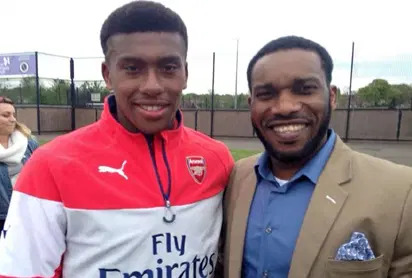
Being the nephew of Jay-Jay Okocha meant comparisons arrived before he had even established himself. For years, many supporters seemed to judge him against one of Nigeria’s greatest-ever footballers rather than the player he actually was.
The criticism intensified because of how frequently his role changed.
Under different coaches, Iwobi was deployed as a winger, a number ten, an attacking midfielder, a wide playmaker, part of a midfield two and now a midfield three. Every managerial change appeared to bring a new position, a new responsibility, and a new set of expectations.
Yet through all of it, Iwobi kept showing up.
The difficult moments, however, were often very public.
There was the infamous red card against Tunisia at AFCON 2021, a moment that turned him into the face of Nigeria’s shock Round of 16 exit. There were periods when every misplaced pass was dissected online, and every poor performance became a trending topic. Even after helping Nigeria reach the AFCON 2023 final, he faced intense criticism from sections of the fanbase.
For many years, Nigerian football discourse seemed determined to convince people that Alex Iwobi was not good enough.
There were memorable highs, still. In October 2017, it was Iwobi’s goal against Zambia in Uyo that secured Nigeria’s place at the 2018 FIFA World Cup, a moment that remains one of the most important goals of his international career.
While opinions fluctuated, Iwobi continued to deliver. He featured at the 2018 FIFA World Cup, AFCON 2019, AFCON 2021, AFCON 2023, and AFCON 2025, gradually evolving into one of the most important players in the national team setup, and today, he is unquestionably the creative nucleus of the Super Eagles.
His performances during Nigeria’s run to third place at AFCON 2025 were among the best of his international career and a reminder of just how valuable he has become to the side.
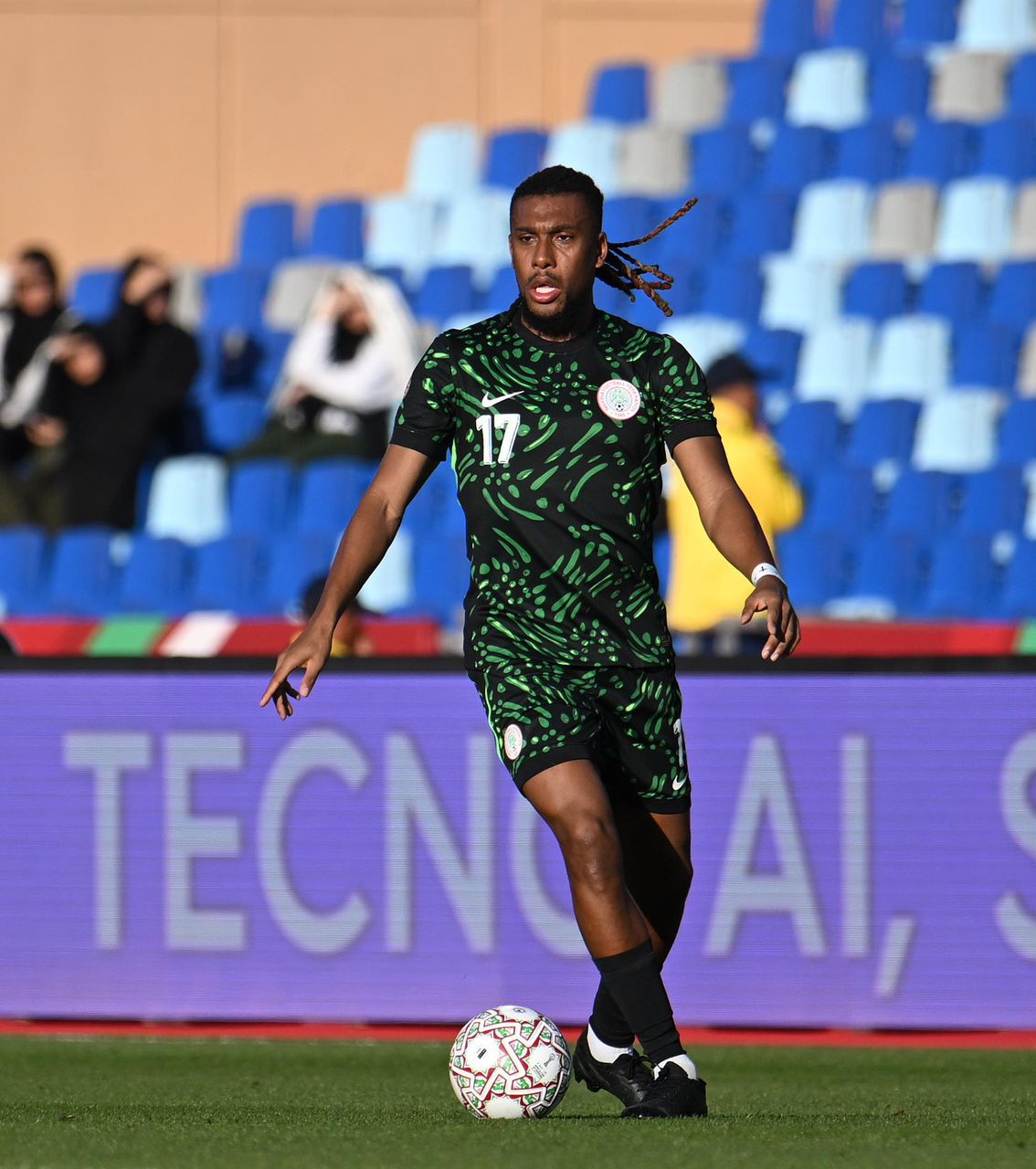
Speaking just days before his 100th appearance for the Super Eagles, the midfielder reflected on his international journey:
“Yes, I would have loved to win the AFCON and perhaps be with the Eagles at the FIFA World Cup that is about to kick off in a few days, but no regrets. I am proud to be where I am today, proud to wear the green-and-white. I am grateful to everyone, including the coach who called me up to the team for the first time. I have no regrets choosing Nigeria.”
His club career followed a similar trajectory.
After emerging through Arsenal’s academy and establishing himself in the first team, he completed a £34 million move to Everton in 2019. The move brought challenges and inconsistency, but it also accelerated his development.
Now at Fulham, he looks more complete than ever.
He has become Nigeria’s all-time leader in Premier League appearances and remains the only Nigerian player to record more than 30 goals and 30 assists in the competition.

Yet, perhaps the most impressive achievement remains his commitment to Nigeria.
In an era where several foreign-born players delayed decisions over their international futures or waited until other opportunities disappeared, Iwobi committed to the Super Eagles early and never looked back.
One hundred caps later, that decision looks more significant than ever.
Alex Iwobi’s legacy with the Super Eagles cannot be measured by statistics alone.
It’s a testament to commitment, mental strength, and belief in ability. He has survived managerial changes, positional uncertainty, social media criticism, tournament heartbreak, and expectations that would have broken many players.
Through it all, he remained available and committed.
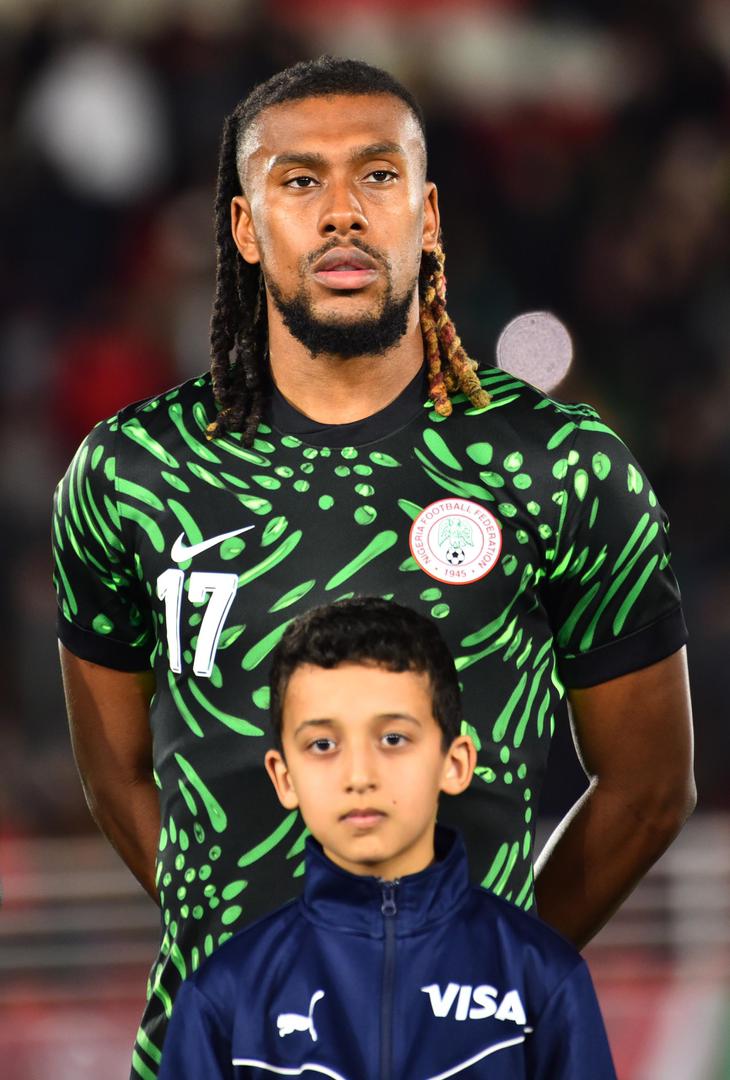
One hundred caps down, more to come.
The appearance record currently stands at 111.
Something tells me that record will not be standing for much longer.