Praia da Rocha does not need much convincing to turn into an Afrobeats capital every July, and Nigeria has never needed much of an invitation either. Afro Nation Portugal has leaned on Nigerian talent at the top of its bill for most of its six editions, and the 2026 run followed suit. All three headline nights belonged to Nigeria.
Burna Boy opened. Asake took Saturday. Wizkid closed it out on Sunday. It is not a new story for this festival; Nigerian artists have consistently anchored Afro Nation’s biggest stages.
FRIDAY: BURNA BOY OPENS
View this post on Instagram
The African Giant did what he does best on opening night, running through his arsenal of certified anthems, Dem Dey, Dai Dai, Last Last and Anybody, to a crowd that had clearly been saving its voice for him. The performance had the usual Burna theatre. But the moment that actually travelled came mid-set, a freestyle where he joked about which Nigerian road he would even drive his Bugatti on.
Tyla shared the opening night bill, her set continuing a run that has not slowed since her global breakout, and gave the amapiano-pop crossover crowd their moment as we edge closer to her APOP release.
View this post on Instagram
SATURDAY: ASAKE, M$NEY ERA.
View this post on Instagram
Asake is deep enough into his M$NEY era to lean entirely on new material, but chose instead to balance it during his set. Sungba and Lonely at the Top still pulled the loudest sing-alongs.
SUNDAY: WIZKID CLOSES, KEHLANI STEALS A QUIET MOMENT
View this post on Instagram
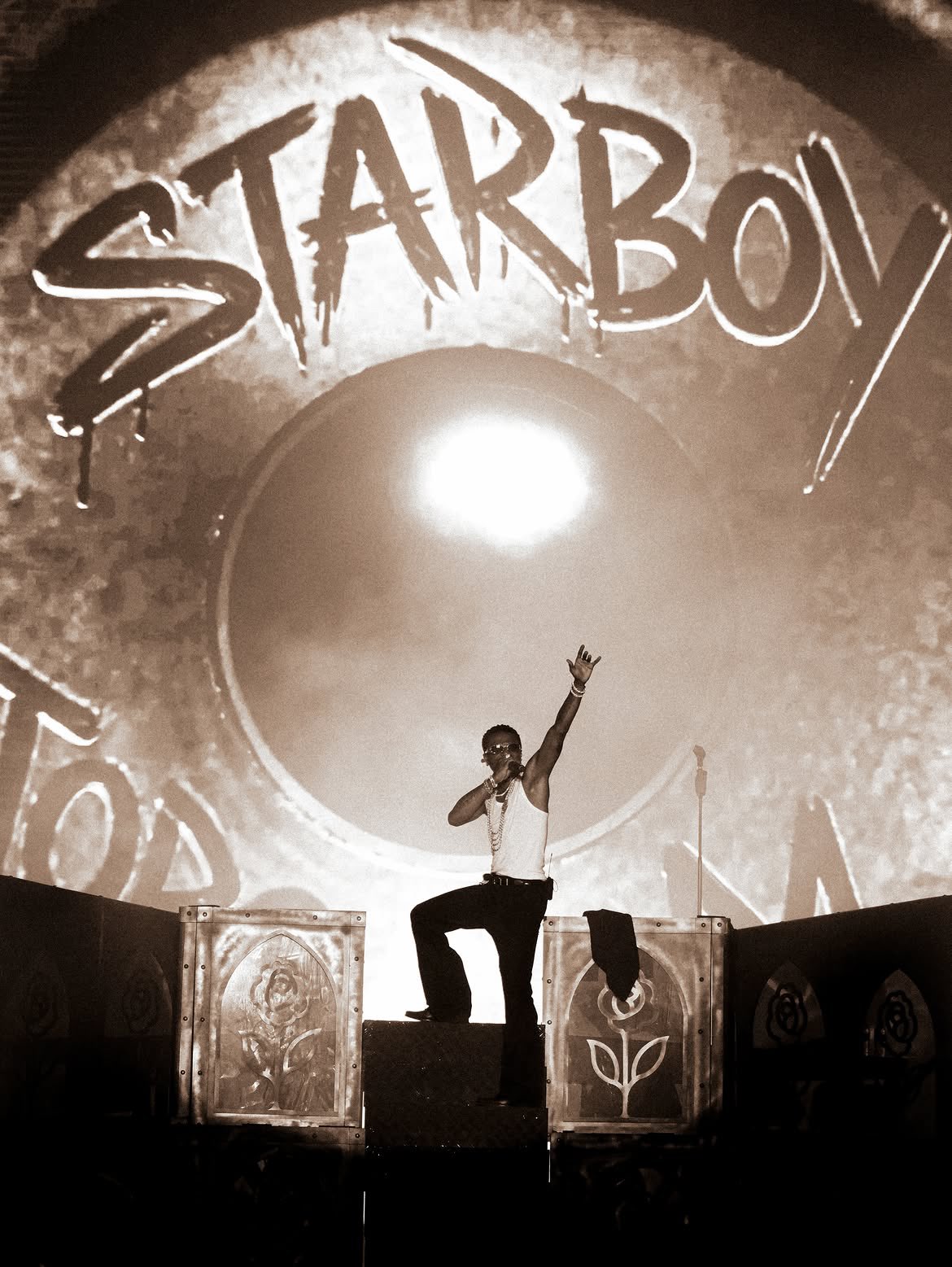
Wizkid took the closing slot the way he has taken most closing slots at this festival since 2019. Kese, Money Constant and Ojuelegba sat next to Soco and Jogodo, with The Matter and Joro pulling the set toward its emotional register before Essence did what Essence still reliably does anywhere in the world.
The set that is getting less attention but deserves more is Kehlani’s that same night. Making her Afro Nation debut, she delivered something soulful enough to hold its own against a Starboy closing slot, which is not a small thing to pull off on someone else’s night.
View this post on Instagram
WHAT ELSE MATTERED
The Afrotronic stage was new for 2026, a dedicated room for gqom, afro house and afro tech, sitting alongside the long-running Piano People stage. It is a small addition on paper but a real signal about where the festival sees the genre map heading, electronic and amapiano-adjacent sounds no longer treated as a subplot to the main Afrobeats stage.
Beyond the Nigerian sweep at the top, the bill kept its continental spread. Congolese legend Awilo Longomba, Ugandan artist Joshua Baraka and Ghana’s R2Bees all had their moments across the weekend, a reminder that the festival’s identity is still built wider than any single country’s output, even in a year when three Nigerians owned the headline slots outright.
Not everyone billed made it to the sand, though. Mavo, listed across the Lit Stage lineup, was among the names missing from the final weekend, with alleged visa issues said to be behind the absence.
This was also the first time in the festival’s five year run that its Portugal weekend landed on an actual Friday to Sunday, and the numbers keep climbing regardless, more than 40,000 people from upwards of 180 countries making the trip to a stretch of Algarve sand built for a fraction of that. Six editions in, Afro Nation has stopped being a novelty and started being an institution. This year it simply made its Nigerian centre of gravity official.