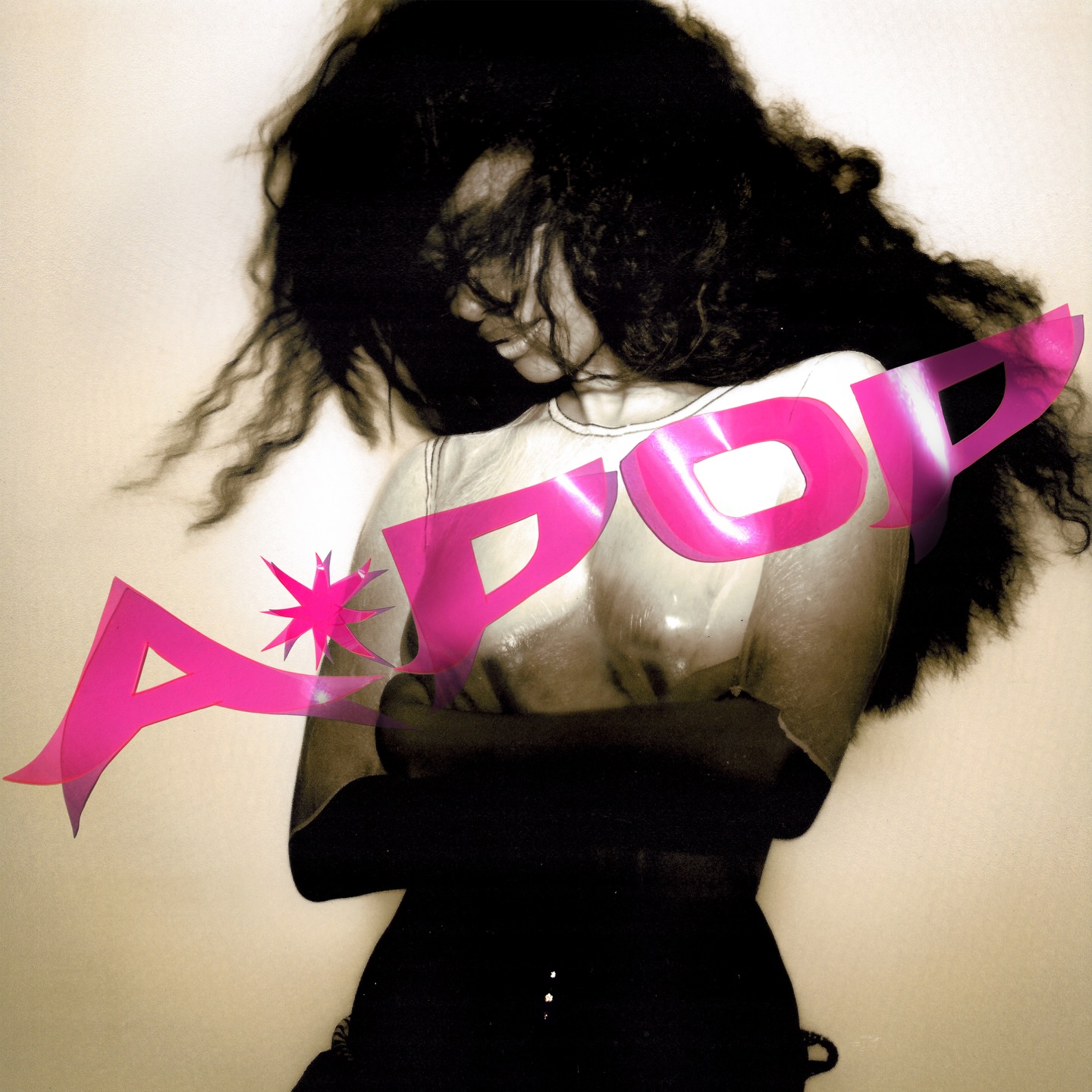
Tyla titled her second album APOP (short for African Pop) as a statement of intent. It’s an audacious name for a sophomore album, but since her self-titled 2024 debut has made her one of the continent’s most bankable global stars, a two-time Grammy winner whose rise has opened doors few African artists have historically had access to, it’s fair enough that she’d want to explore, or even define, what that means. APOP arrives as both a victory lap and a pivot point; fourteen tracks, five guest features, and a rollout built around being unapologetic, confident, and global.
The result is a good album, though it rarely becomes more than that.
IS IT LOVE, IS IT, CHANEL and SHE DID IT AGAIN were already out in the world before today, so they arrive on the album as known quantities, which puts real pressure on the other eleven to do the convincing.
Some of them do. Kiss and Fairytale are where the album feels alive. Kiss commits fully to dance and house, and Fairytale goes further, pulling in legendary South African house duo Liquideep, leaning into a lineage of SA house rather than just gesturing at it.
Double Blind works as a consolidation move, singing-forward and less reliant on the pop bounce that defined her first album, while still letting that bounce surface when it needs to. Feel Something is the more interesting swing, a bouncy beat under slower, more exploratory singing that sounds like Tyla testing how far the APOP concept can stretch. It’s also the track where the album’s lack of a settled identity is most audible, ambitious, but not quite leaving you with a fully formed idea of what “African pop” means beyond the title.
Right Now and Mr. Nonchalant trade in hard drums, swaggering basslines, and a Janet Jackson-adjacent pocket to the vocals. Both are well made but neither reinvents anything. Hot Tubs follows the same pattern with a more global-leaning production polish. These are the songs that make APOP a good album rather than a great one, competent, radio-shaped, largely safe.
Where the record makes its most pointed gesture is in who Tyla chose to stand next to, even if the songs themselves don’t rank among the album’s best. “Crazy of Me,” featuring MaWhoo, brings log drums back into the mix as a direct callback to the sonic identity of her debut, and it’s a good song, solid rather than essential. “I Don’t Care,” featuring Babalwa M, sits in the same pocket, decent but not a standout. What stands out isn’t the songwriting so much as the casting; it’s that Tyla brings fellow female amapiano artists along in her global ascent, even if it doesn’t carry the tracks any further than cool.
But it also throws the rest of the album’s global ambitions into relief. Her debut pulled in international names in Tems, Gunna, Skillibeng and Travis Scott. This time, the only confirmed feature outside South Africa is Zara Larsson on She Did It Again, a song most listeners already know. For an album positioning itself as a global pop statement, the guest list stays remarkably local, which perhaps makes sense as a deliberate choice, defining APOP not through borrowed global names but through the locals who gave the sound its meaning in the first place, exporting outward rather than importing in.
That Girl is the one where the album comes most alive, in a way it never quite delivers elsewhere. It’s the kind of song you’d play someone to explain what a Tyla record sounds like at its most assured, melodic, unhurried, confident in the pocket without needing to prove anything. This is the kind of song she’s already excellent at making.
APOP is a good project. It has real high points in Kiss, Fairytale and That Girl, a smart and pointed inclusion of fellow South African artists like MahWoo and Babalwa M, and a couple of legitimate attempts to expand what the Tyla sound can hold. But sophomore slumps rarely announce themselves as bad albums; they announce themselves as albums that don’t hit as hard as the one before it, and that’s the shape this one takes. Tyla reached for a broader definition of African pop and mostly succeeded at proving she can make competent, well-produced music in several adjacent lanes.