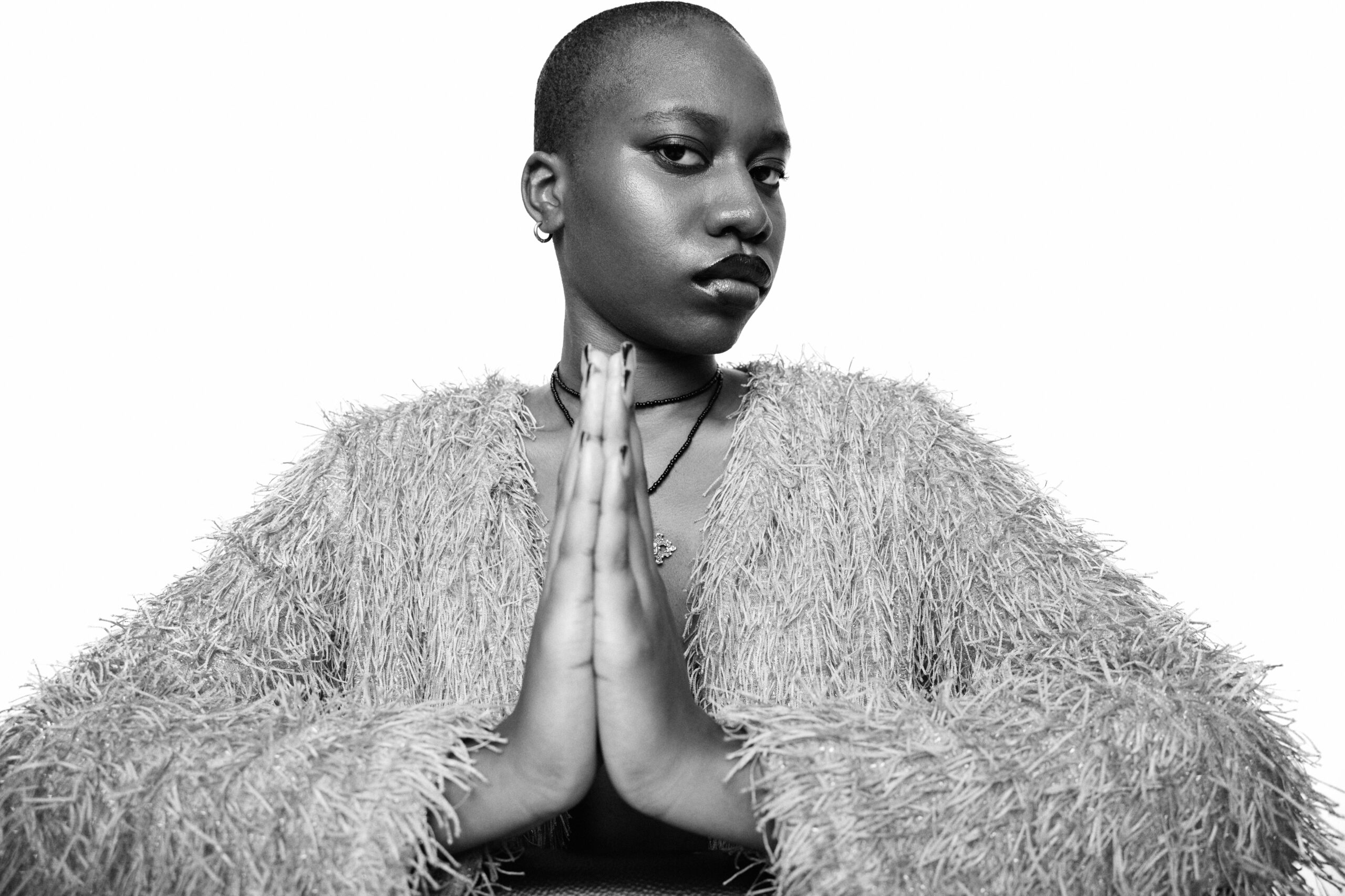
In a laid-back FaceTime interview last Tuesday, we had the pleasure of chatting with Debby Fasignha, a promising designer and fashion sensation, making her debut collection under the “zibara” label. Born and raised in Port Harcourt, Nigeria, Debby brings a fresh perspective to the creative scene, blending her passion for design with academic achievements, holding a degree in Accounting from Afe Babalola University. Her journey has been strongly shaped by a supportive upbringing, with a stylish mother who inspired her and encouraged her to explore both art and fashion.
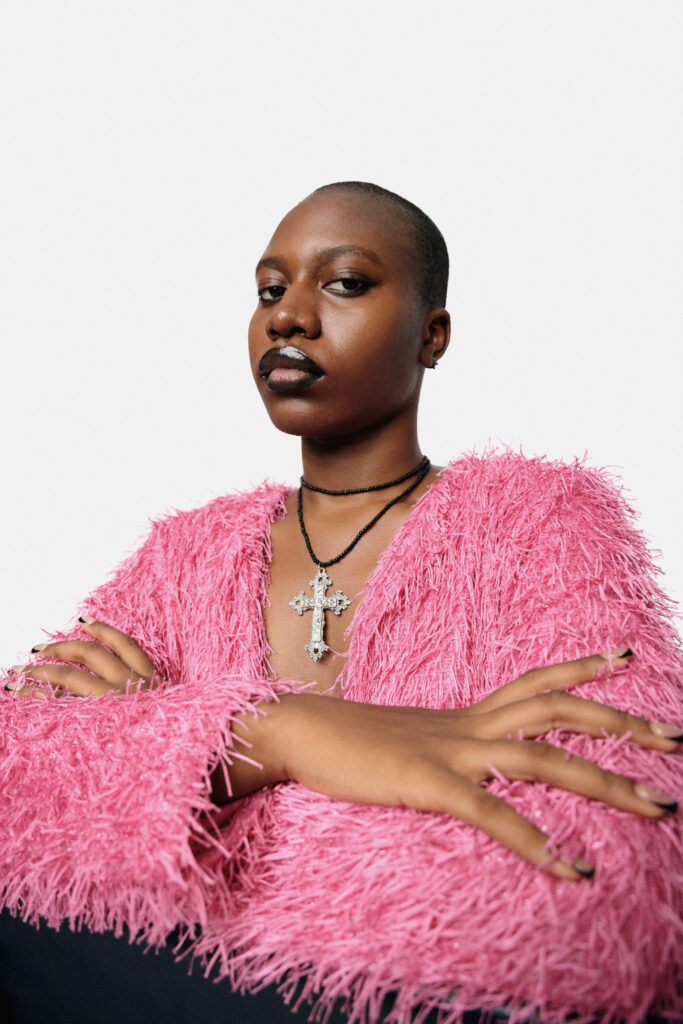
Credits: Ikechukwu Okonkwo (@6ix_jo) / Deborah Fasingha (@debbyfasingha)
Here’s a deep dive into our conversation:
Debby, can you describe what it was like growing up in Port Harcourt?
Reply: My upbringing was really chill to be honest. Growing up was fun, especially being so close to my siblings. Shoutout to my parents for providing us with the life that they did. Port Harcourt is a quiet city, at least the part I grew up in. It was nice. I’m actually really happy I experienced that before moving to this chaotic city.
As a young girl in Port Harcourt, who were your early influences and how did that shape your interest in fashion?
Reply: My mum was a huge influence growing up. She played a significant role in who I was then and now. She used to pick out insane clothes, and sometimes she would dress my sister and me up like twins. It really helped me build my foundation. During long summer holidays, she would enroll my sister and me in makeup school, so that added an extra layer of creativity to my childhood. My family in Houston, Texas also helped. My aunty would always send in or bring in clothes and shoes when she could. My sister and I would dress up in 6-inch heels for Sunday school, lol. My family generally creating these experiences early on already fueled my fascination with fashion and art.
When was the first time you got the idea of starting a Fashion brand?
Reply: My best friend and I in year 10 already had this idea to start a women’s wear brand. We planned to fund it with our savings at the time, we said to ourselves we would save up to 500,000 naira to bring our ideas to life, and during holidays, I started sketching designs for myself and friends. We obviously never did; we were just young and naive, but fast forward to today, we now have Zibara, a women’s wear brand, so it’s kinda like a full circle moment for me.
As you grew older, aside from your mom’s and close family’s significant influence in your early life, were there any other as impactful?
Reply: Yes, for sure. Early days in my Uni, I was really fascinated by Ashley Okoli because a lot of the things she was doing were Ideas I already had. I really resonated with that. That’s when I started getting into the alternative scene in Nigeria. It was amazing. Now, I think things or people I come across in passing go a long way in influencing some ideas I have, but one person that really stands out is Sierra Rena; I really love her style. She’s just so cool.
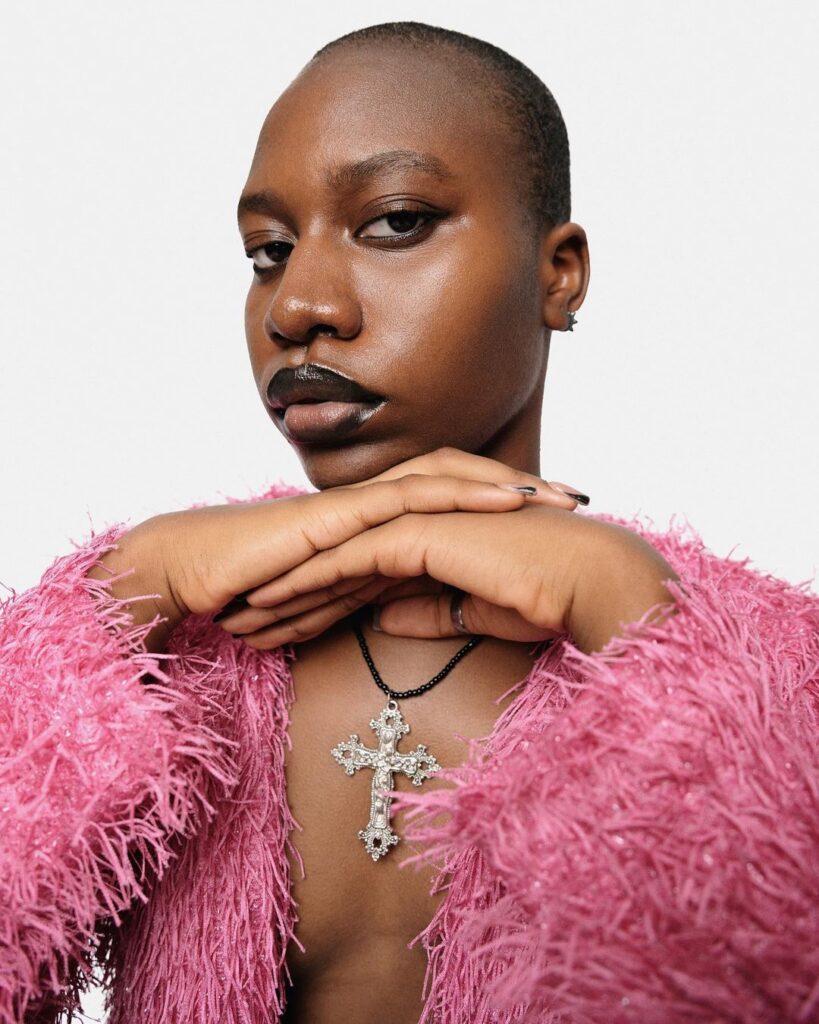
Credits: Ikechukwu Okonkwo (@6ix_jo) / Deborah Fasingha (@debbyfasingha)
“Zibara”, what’s the inspiration behind the name?
Reply: (Laughs) Originally, it was an Asian name before I was onboarded. I came in and I asked them why the heck would they name it something Asian and not Nigerian. So I went on to do some light research and “Zibara” came to me; it means the goddess of divination and prophecy in Ijaw. It connects deeply with spirituality, and I felt it truly represented the direction and energy I wanted for the brand.
You were also top of your class, excelling academically and studying accounting. Can you share the moment when your interest shifted towards pursuing fashion for real?
Reply: I started falling in love with the idea of real fashion during my university days. Initially, I was drawn to accounting, inspired by my grandfather, but my focus shifted after the 2020 lockdown. I just lost interest in accounting because sitting at home for that long made me think about what I wanted to do, and I decided to pursue a career in fashion and art because that’s where my heart was.
2020 lockdown was undoubtedly a reset for many, but specifically for you, what was going through your mind during that time, and how did it lead to that final decision?
Reply: The lockdown gave me a chance to reflect. I found myself less engaged with accounting, and it felt like a natural progression to move towards something that ignited my passion: fashion and art. It was a bold decision, but sometimes you just have to follow where your heart leads you.
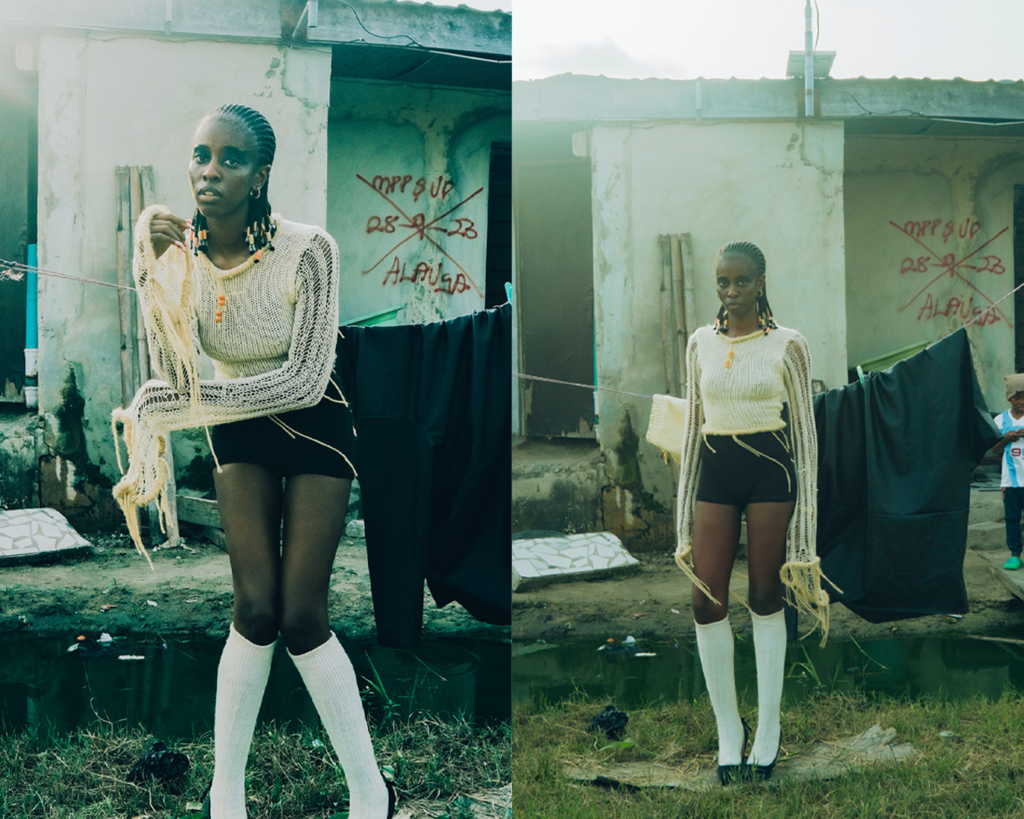
Credits: Zibara Studio / David Arigbe (@lsddave) / Deborah Fasingha (@debbyfasingha) / Joboghene
Jones (jones_bobo) / Jewel Abrakasa (@jewelsjpegs_)
Now, Debby, this collection, why knitwear?
Reply: It took a lot of iterations and research to get to the point of applying knit. We tried out different fabrics, but they just weren’t working for us. My friend (@abenithelabel) posted her work a lot, and prior to me seeing them, I never really liked what crocheted outfits looked like. But with her work, I was in love. With sustainability in mind as well, I did more research and landed on knitwear being the perfect fit for what we were trying to execute. I reached out to her, and we made magic with a few bumps along the way. Unfortunately, we had to put that relationship on pause, so I went ahead to reach out to another knitwear artist (@narfstudioz) whom I had been following for some time and hoping to work with. Everything that played out was a blessing in disguise, beauty amidst chaos.
The photo shoot for this collection- what was the idea behind it?
Reply: We shot on the streets in Ajah because we didn’t have a budget. But also, a studio setup didn’t seem natural to me, as I wanted everything to be as intentional and natural as possible. That’s why we chose the location we chose and also kept the makeup to a minimum, where we only had eye looks that seemed kind of chaotic. I free-handed them, and the mistakes I made turned into ideas I really loved. A shot I really love and feel like translates the collection really well is the one where one of the models is sitting on a busted-up sofa. We went through so much to get to this point. It was a lot of sleepless nights and tears too. Sometimes it was hard to see the light in the darkness, but I’m super grateful we took our time and didn’t lose sight. I’m extremely proud and happy with what the outcome is.
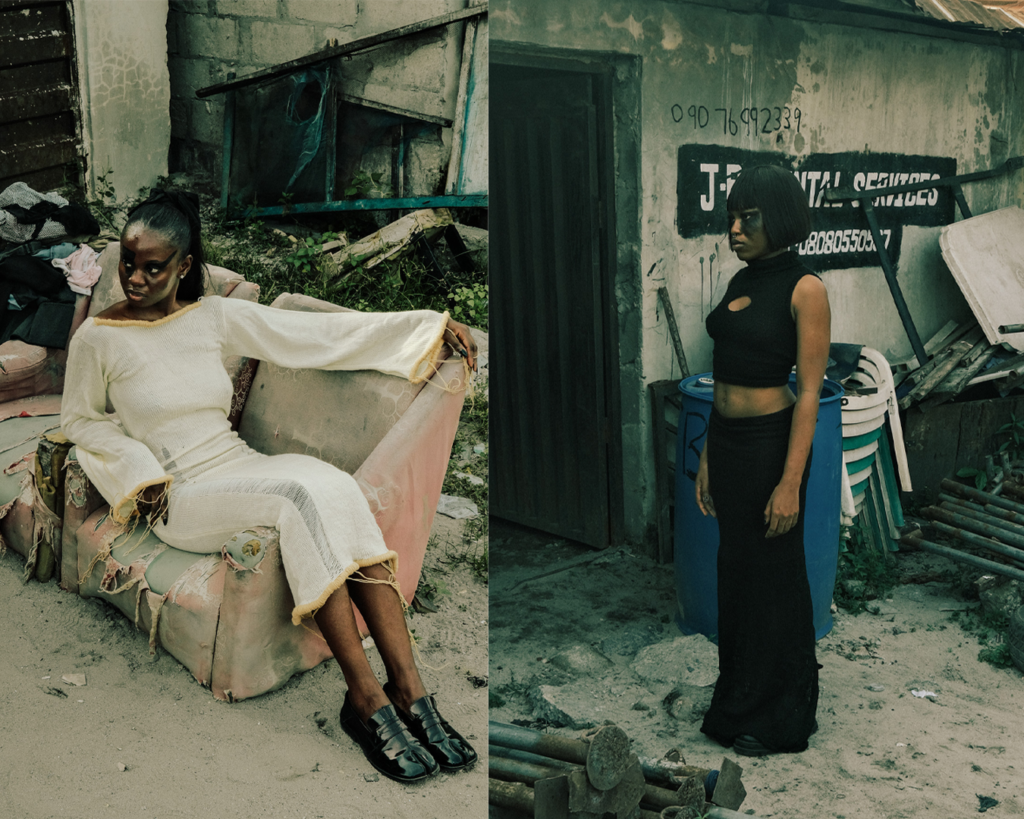
Credits: Zibara Studio / David Arigbe (@lsddave) / Deborah Fasingha (@debbyfasingha) / Joboghene
Jones (jones_bobo) / Ayebatari Ebinimi (@tatu.xo) / 553 (@553.throughlenses)
You called this collection “The Beauty in the Chaos.” Why?
Reply: It was born out of the process of building the collection. It was really hard on some days to stay hopeful and trust in myself and my ideas. There were so many bumps along the way. My head was filled with so much chaos at some point. We often lose sight when things aren’t going the way we expected. We fail to see the things that are going right in those moments. All of that chaos led up to these beautiful pieces.
You’ve mentioned in passing sleepless nights and the bumps along the way, but specific to the Nigerian context, what were the challenges?
Reply: Doing fashion in Nigeria is not for the weak, especially when it comes to dealing with tailors and financial constraints. I’ve tried kick-starting projects before, but the love for money often got in the way with them. I’ve had to pause, rethink, and return to the drawing board about 100 times. My partner, Jones, and I also fund everything ourselves, so securing adequate funding was and continues to be a major challenge, especially in a country like Nigeria. But we’re determined, and I believe it’ll pay off in the long run.
Aside from your knitwear friends, were there any other significant inspirations that shaped your approach with Zibara?
Reply: It wasn’t until this year that I knew the fabrics and methods to use. So I’ll say the Acne Studios SS23 collection was a huge inspiration. But in general, I draw a lot of inspiration from Martin Margiela.
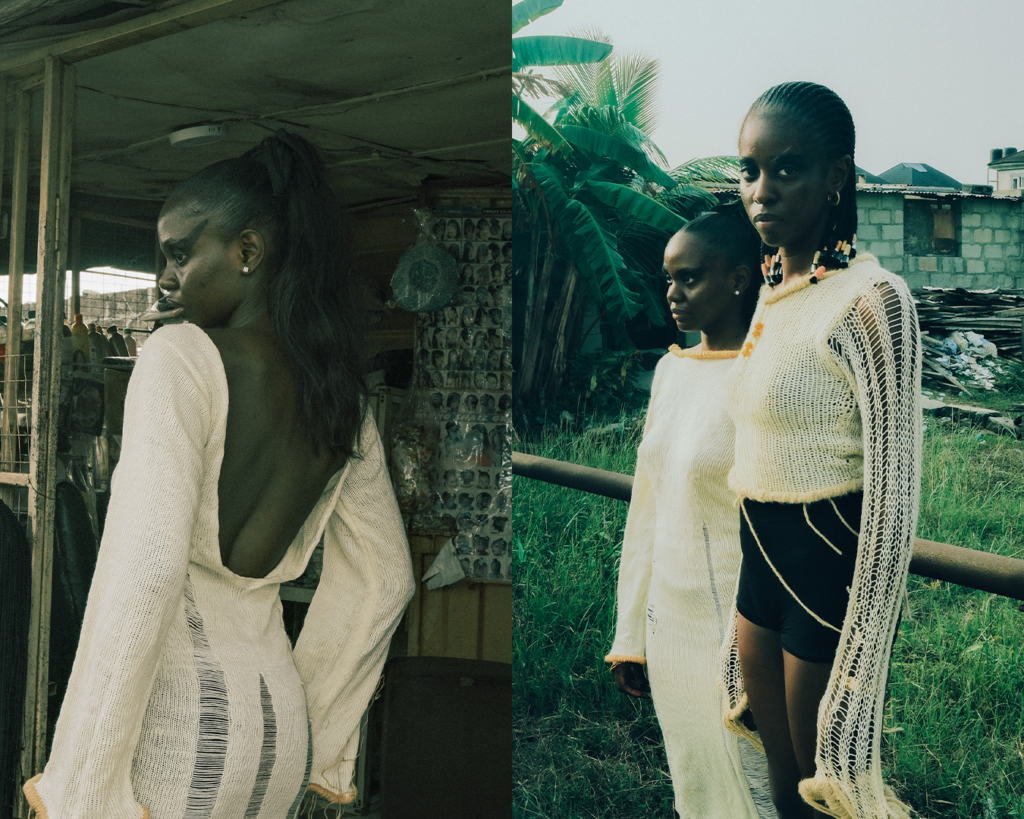
Credits: @Zibara Studio / David Arigbe (@lsddave) / Deborah Fasingha (@debbyfasingha) / Joboghene
Jones (jones_bobo) / Ayebatari Ebinimi (@tatu.xo) / Jewel Abrakasa (@jewelsjpegs_)
Do you have any creative interests besides fashion?
Reply: Yes, I love Photography a lot, and also, I currently work at “The Process Africa” magazine, mainly in marketing and sometimes writing. These creative outlets allow me to express myself beyond fashion.
Looking ahead, where do you see yourself and Zibara in the next five years?
Reply: I don’t know; I don’t really think too far into the future. I prefer to focus on the present. Five years from now, I honestly don’t know what I’ll be doing. I could’ve even gone off the grid [Laughs]. I’m just taking it one step at a time.
On future collaborations, what brand/person from Nigeria would you really love to work with?
Reply: There aren’t a lot, to be honest, but I’ll say Iamisigo, Maliko Studios, ODEY. ODEY is an artist I really like and would love for him to paint on clothes I make, and also my good friend, Ebube Ofoma.
What about International brands?
Reply: Dilara Findikoglu.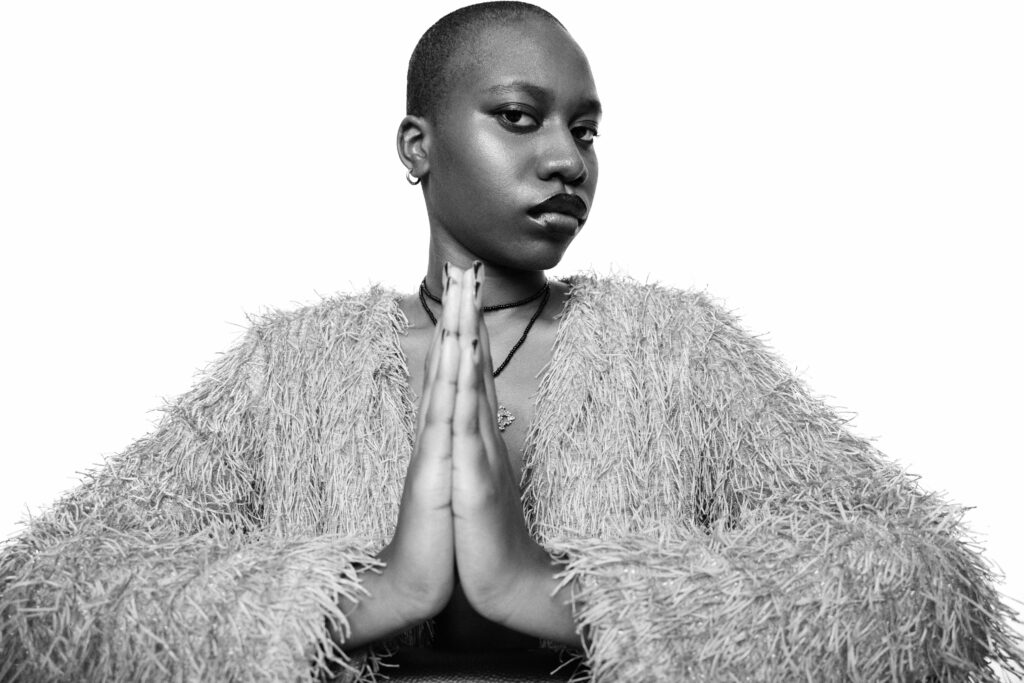
Credits: Ikechukwu Okonkwo (@6ix_jo) / Deborah Fasingha (@debbyfasingha)
Considering the societal impact of fashion, especially as someone breaking into the scene, do you see yourself using your work to address social issues?
Reply: I really feel like if I want to talk about these issues that affect us, I would talk about them with my own voice outside of my brand, not necessarily through the clothes, because I want to make clothes that are fun for me. I want to be able to design without having to attach any additional meaning or responsibility to it.
Lastly, what words of encouragement do you have for those inspired by your journey?
Reply: If there’s anyone inspired by me, my advice would be to be open, really open to learning and unlearning parts of yourself and everything around you. Trust yourself, trust the process, and BREATHE.